
Reconstruction/Post-Crisis Response
Team Assembly and Management
When a building is compromised, the technical issues are only part of the challenge—coordination significantly influences how efficiently recovery progresses. At DAI, we rapidly assemble and manage a multi-disciplinary team to support stabilization efforts, organize scope, and coordinate recovery with clarity and structure.
Our Team Assembly and Management service supports owners, institutions, and stakeholders during high-pressure events by building an effective technical response structure—aligning consultants, contractors, insurers, and regulators around one coordinated plan.
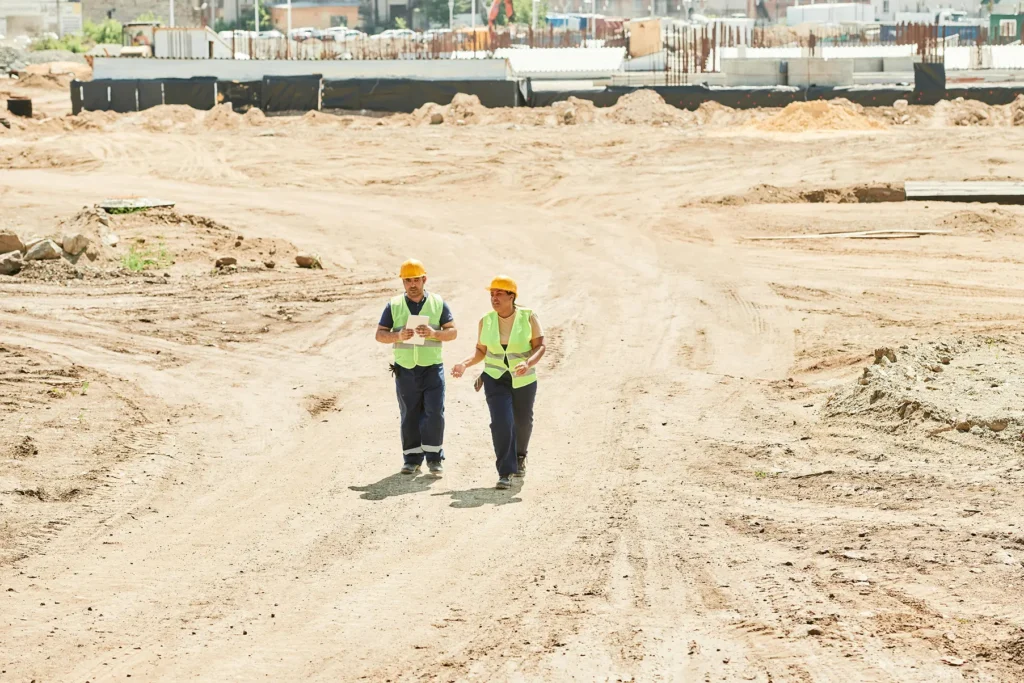
Rapid Mobilization for Complex Recovery Projects
In the first hours and days after an incident, confusion and overlapping responsibilities can create delays, rework, and avoidable exposure. At DAI, we provide the leadership needed to organize the response—so technical decisions can be made efficiently, work can be sequenced logically, and critical operations can resume in a coordinated manner.
We assemble and manage teams responding to:
- Water intrusion and flooding events requiring urgent mitigation and coordinated repairs
- Fire and smoke damage needing multi-trade remediation and rebuild sequencing
- Structural or envelope failures requiring stabilization and controlled access
- System outages disrupting business continuity or mission-critical functions
- Construction defects escalating into urgent safety or operational issues
- Natural or man-made incidents impacting occupancy, compliance, or revenue
What Team Assembly and Management Means
Technical Team Assembly and Management is a structured process for building the right response team and directing it effectively—from emergency stabilization through repair implementation. We establish a clear chain of command, define roles and responsibilities, and coordinate parties to support alignment with safety considerations, scope, schedule, and documentation requirements.
Our work includes:
- Rapid team formation and role definition: We clarify roles and responsibilities early to reduce confusion and support efficient mobilization.
- Selection of qualified specialists and trades: We identify and engage qualified specialists appropriate to the building type, damage profile, and life-safety considerations.
- Scope coordination across disciplines: We align remediation, temporary work, and permanent repairs into one coordinated plan.
- Stakeholder alignment and communication structure: We set meeting cadence, decision pathways, and reporting that keeps the project moving.
- Documentation and reporting discipline: We implement documentation protocols so field decisions, conditions, and costs are clearly recorded for claims, approvals, and defensibility.
The result is a coordinated, execution-ready team structure that is intended to reduce delays, limit coordination gaps, and support efficient recovery efforts.
Assembling the Right Experts—Fast
Crisis recovery requires more than available resources—it requires qualified specialists who understand constructability, sequencing, and the real-world behavior of building systems under stress. At DAI, we focus on assembling a team capable of responding efficiently while maintaining technical rigor, safety considerations, and long-term performance objectives.
Depending on the event, we may coordinate with:
- Structural, mechanical, electrical, and fire protection engineers
- Building envelope and waterproofing specialists
- Environmental / industrial hygiene consultants
- Material testing labs and specialty inspectors
- Remediation and reconstruction contractors
- Estimators, schedulers, and construction managers
- Insurers, adjusters, legal counsel, and regulatory authorities
Management That Keeps Recovery Moving
Even strong teams stall without a clear system for decisions, approvals, and scope control. At DAI, we act as the technical and coordination lead—bringing structure to communication, sequencing, and field execution.
We keep recovery moving by:
- Creating a unified action plan: We define priorities, sequencing, and next steps across all disciplines.
- Establishing on-site coordination and reporting: We set a daily/weekly cadence, decision logs, and clear issue tracking.
- Managing scope drift and rework: We monitor remediation and temporary measures to reduce the risk of compromising permanent repair efforts.
- Coordinating claims and compliance needs: We align documentation and repair decisions with insurance, legal, and regulatory requirements.
- Maintaining continuity through uncertainty: We adjust team focus as conditions evolve while supporting steady project progression.

How Our Process Works
Our approach is designed for speed, control, and clarity—especially when conditions are changing in real time.
- Intake + Incident Triage
We rapidly review known conditions, immediate risks, operational priorities, and constraints. - Mobilization + Response Structure
We establish key roles, communication protocols, and stakeholder decision pathways. - Specialist + Contractor Assembly
We identify and engage the right experts and trades based on damage type, building complexity, and schedule urgency. - Scope Alignment + Sequencing
We coordinate remediation, stabilization, investigation, and repair scopes into a phased, executable plan. - Active Management + Oversight
We manage coordination across the team, track actions and decisions, and maintain documentation rigor. - Transition to Repair Implementation
We carry leadership continuity from emergency response into long-term reconstruction—to support continuity as the project transitions into long-term reconstruction.
When to Call Us
Contact DAI when:
- You need a coordinated recovery team assembled quickly after an incident
- Multiple consultants, contractors, and stakeholders are involved—and leadership is unclear
- Recovery work is starting but scope, sequence, or roles are disorganized
- You need technical oversight to support alignment between remediation efforts and long-term repair objectives
- Insurance, legal, or regulatory requirements demand clear documentation and defensible decisions
- Operations are disrupted and you need recovery managed with business continuity in mind
Whether we’re supporting an active crisis or helping you prepare for rapid mobilization, we provide structured coordination and technical leadership to support controlled and organized recovery efforts.
Contact us today to discuss your recovery needs.
Reconstruction/Crisis Response Services
Do you need help with reconstruction or disaster recovery?
Fill out the form below to schedule a free consultation.
By subscribing you agree to with our Privacy Policy
Assemble the Right Team. Keep Recovery Moving.
Whether you are preparing for potential disruption or responding to an active crisis, Domeier Architects Inc. assembles and manages the specialists, consultants, and contractors needed to support stabilization efforts, align stakeholders, and coordinate reconstruction with clarity and structure.
FAQs
What does “team assembly” mean in crisis response?
For us at DAI, it means quickly identifying, engaging, and organizing the right specialists and contractors—and establishing clear roles, communication protocols, and decision-making structure so recovery efforts can begin promptly and remain coordinated.
Will you work with our existing contractors and consultants?
Yes. We regularly integrate with existing teams. We clarify responsibilities, address coordination gaps, and provide technical leadership to support alignment with the recovery strategy.
How quickly can you mobilize?
We prioritize rapid intake and early coordination so stabilization and assessment efforts can begin efficiently—especially when time-sensitive exposure or operational disruption is involved.
Who leads the recovery effort—us or you?
You remain the decision-maker. Our role is to lead technical coordination, organize the technical response team, and provide clear options, sequencing, and oversight so you can make decisions efficiently and confidently.
How does this support insurance and documentation?
We implement documentation processes to clearly record site conditions, scope decisions, and action steps—supporting smoother claims handling, approvals, and defensible recovery records.