
Project Types
Academic Campuses
At Domeier Architects Inc., we support academic campus buildings that operate under continuous use and extended service lives, tight budgets, and long service lives. We help institutions and project teams evaluate risk and address performance concerns through building envelope evaluation, technical review, and repair planning aligned with durability objectives for classrooms, laboratories, housing, and specialized facilities.
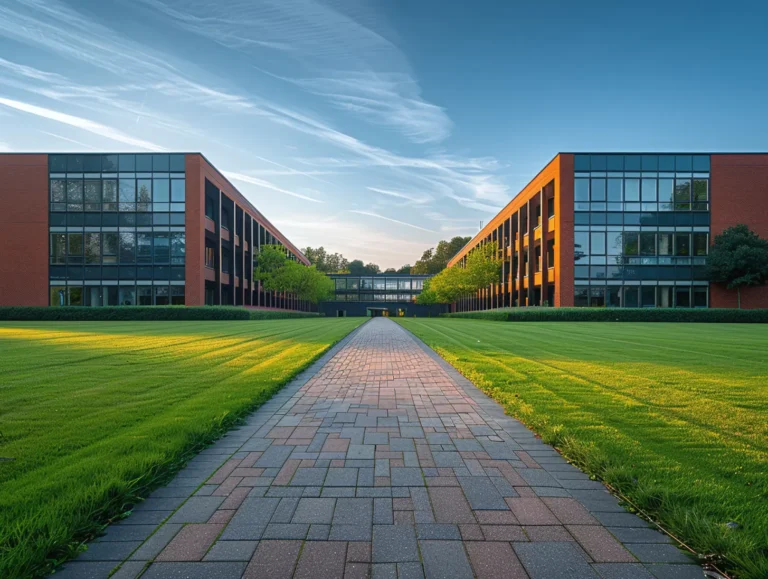
Experts in Complex Campus Building
Campus buildings concentrate risk at interfaces, repetitive conditions, and decades of modifications. Our technical foundation allows us to deliver documented evaluations and practical guidance that support operational continuity, durability, and long-term maintenance planning.
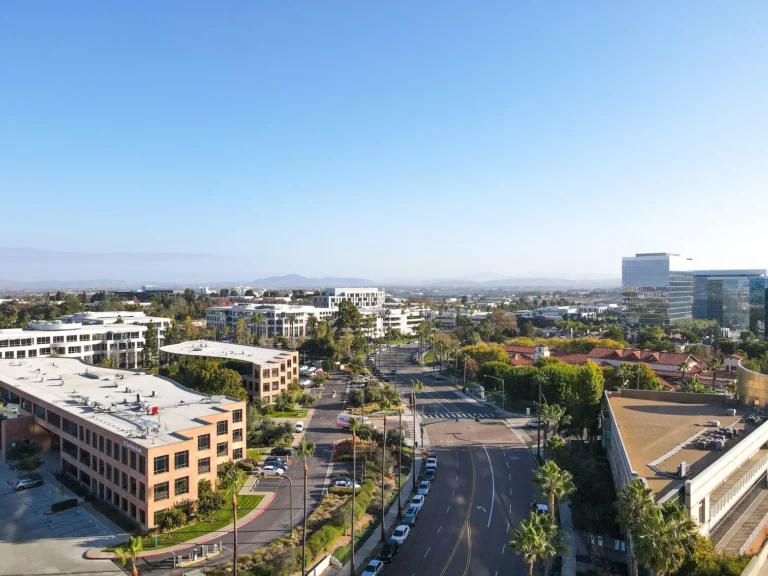
Operational Continuity
We plan work around occupancy and the academic calendar, focusing on phased execution that reduces disruption while maintaining access and safety.
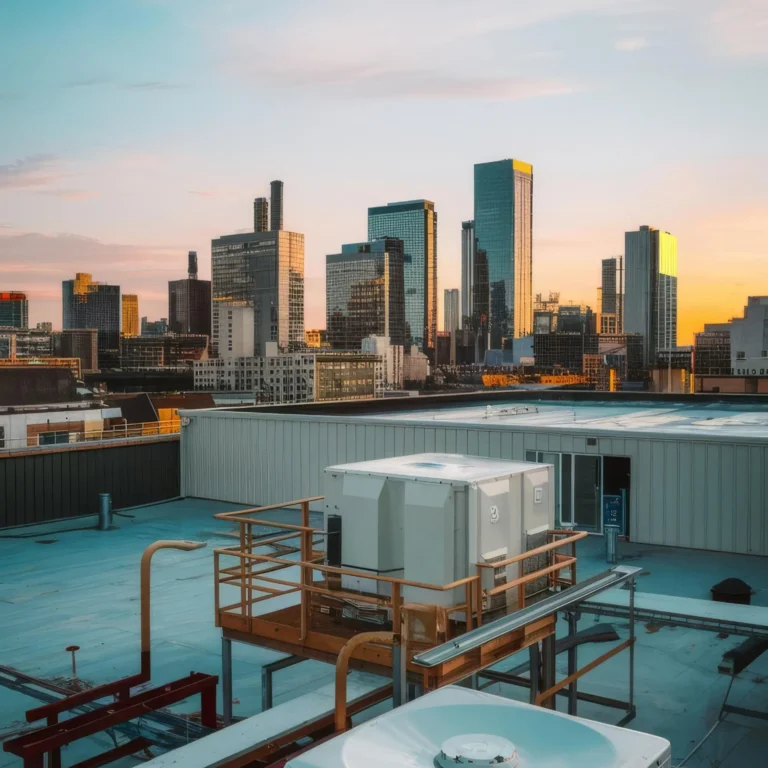
Enclosure Performance
We evaluate how water and air move through wall and roof systems, then focus on the transitions and penetrations frequently associated with recurring leaks.
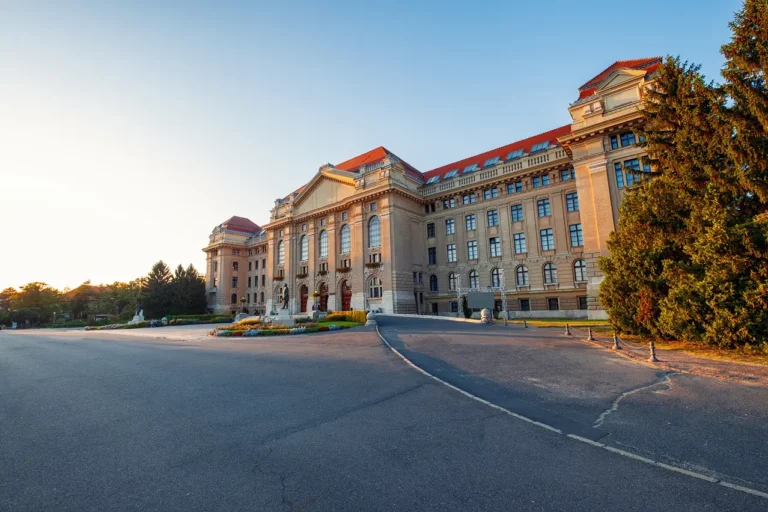
Codes and Systems
We support coordination where life-safety requirements, MEP systems, and enclosure assemblies intersect, especially in laboratories, housing, and high-use corridors.
Where Academic Campuses Commonly Experience Risk
We focus on the conditions frequently associated with moisture intrusion, operational disruption, and long-term performance concerns:
- Flat roofs, parapets, and roof-to-wall transitions
- High-penetration roof zones including equipment curbs, vents, exhaust, and drains
- Windows and doors in high-traffic areas, including tolerances, sealants, and flashing
- Curtainwall, storefront, masonry, and cladding terminations and joints
- Plaza decks, terraces, and podium-like waterproofing conditions
- Below-grade waterproofing and site drainage interfaces
- Expansion joints and movement conditions across large building footprints
- Wet areas in housing, athletics, and support spaces such as showers, laundry rooms, and mechanical rooms
- Renovation tie-ins where new work meets existing assemblies

Common Academic Campus Failure Mechanisms We Evaluate
Campus problems often recur because the same conditions repeat across wings, elevations, and building types. We commonly evaluate issues tied to:
- Discontinuous air and water control layers at transitions and openings
- Poor drainage, slope, or termination conditions at roofs and plaza decks
- Aging sealants, joints, and flashing integration at fenestration and cladding
- Penetrations and attachments that may interrupt continuity, especially at rooftops
- Phasing and sequencing conflicts during occupied renovations
- Deferred maintenance conditions that accelerate enclosure deterioration
- Past repairs that focused on surface symptoms rather than identified root pathways
Support From Early Planning Through Construction and Repairs
We support academic campus projects from early planning through design, construction, and repair implementation. Our role adapts to your needs, from risk reduction on new work to evaluation and repair strategy for existing buildings.
Common engagement points include:
- Capital planning and prioritization for aging building systems
- Design-phase review for constructability, coordination, and durability
- Preconstruction clarification intended to improve pricing clarity and reduce scope gaps
- Construction-phase support for RFIs, submittals, substitutions, and high-risk installations
- Existing building evaluation and repair planning aligned with durability objectives for recurring issues

Who We Support
We work with campus facility teams, administrators, owner’s representatives, architects, general contractors, insurers, and attorneys involved in academic projects. Our role is to provide technical clarity that supports informed decision-making, documentation, and alignment with durability objectives across a wide range of campus building types.
Academic Campus Support, From Diagnostics to Repairs
Technical Design Review
Identify coordination gaps and high-risk details before they escalate into RFIs, rework, or change orders.
Assembly Integration Evaluation
Evaluate how systems connect at transitions such as roof-to-wall, openings, plaza decks, and renovation tie-ins.
Supplemental Detailing
Add buildable details where documents are unclear, especially at interfaces, penetrations, and renovation tie-ins.
Construction Administration Support
Construction-phase oversight for high-risk assemblies, substitutions, and field decisions to support alignment and documented decision-making.
Building Envelope Evaluations
Diagnose performance issues by documenting conditions and identifying probable moisture pathways based on observed conditions.
Material Testing
Use targeted evaluation and testing to reduce uncertainty and inform repair scope, claim review, or capital planning decisions.
Scope of Specification and Repair
Define repair scope that addresses identified root causes, supports durability objectives, and clarifies pricing and execution considerations.
Causation Identification
Clarify what failed, why it failed, and contributing factors for claims, disputes, or expert review.
Support Campus Operations and Long-Term Building Performance
If your campus is facing recurring leaks, aging assemblies, or a complex renovation that must stay aligned with operational needs, Domeier Architects Inc. can help you evaluate conditions, clarify scope, and support repair strategies aligned with durability objectives.
FAQs
Can you support projects in occupied campus buildings?
Yes. We plan around operational constraints and help teams sequence work to reduce disruption while maintaining safety and access.
Do you work on laboratories, housing, and specialized facilities?
Yes. We frequently support classrooms, laboratories, housing, and other high-use spaces where system coordination and durability are critical.
Can you help prioritize repairs across multiple campus buildings?
Yes. We evaluate risk concentration and recurrence patterns, then help prioritize repair strategy and phasing based on observed risk concentration and recurrence patterns.
Will you help define repair scope for bidding and contractor pricing?
Yes. We provide repair scope narratives and documentation that improve bid comparability and reduce the likelihood of scope gaps.
Do you provide construction-phase support during repairs or renovations?
When requested, yes. We can support submittals, RFIs, site observations, and coordination to support alignment with design intent.
What do you need to get started?
Whatever you have available, including photos, building history, prior reports, leak history, and drawings when available. We can begin with available information and identify additional materials that may assist the evaluation.