
Project Types
Construction Type I, III, and V
At Domeier Architects Inc., we bring extensive experience evaluating Type I concrete and steel structures, Type III podium and mixed-use buildings, and Type V wood-frame construction. Each construction type introduces distinct risks related to fire resistance, moisture management, structural behavior, and detailing complexity.
Our role is to evaluate recurring failure conditions, assess code compliance considerations, and develop strategies aligned with the realities of each construction system.
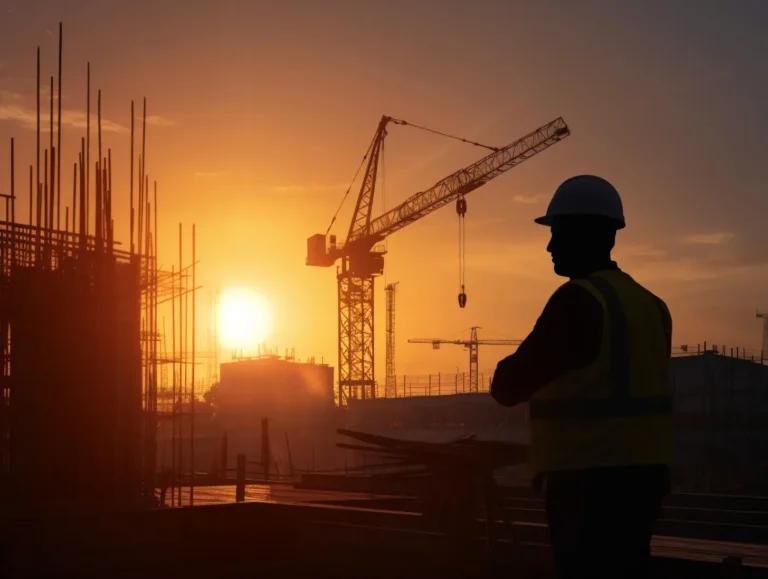
Experts in Complex Building Systems
We support projects where building performance is closely tied to detailing and coordination. We focus on how assemblies interact, how water and air move through wall systems, and how design and construction choices influence long-term durability objectives.
We work across Type I, Type III, and Type V construction, including podium and mixed-condition projects, especially where enclosure, structure, and life-safety requirements intersect.

Critical Interfaces and Transitions
Risk concentrates at penetrations, edges, and system transitions. We help teams identify details frequently associated with leaks, rework, and long-term performance concerns.
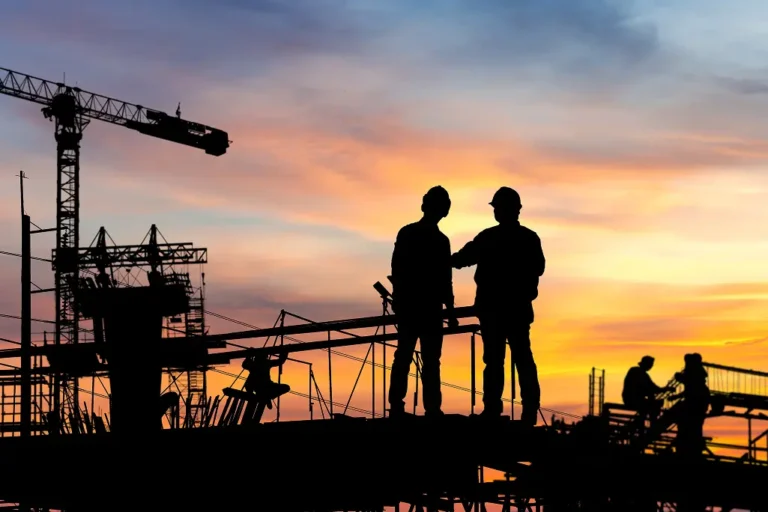
Water and Air Control Continuity
We evaluate continuity of water and air control layers across openings, terminations, and assembly changes to support long-term enclosure performance objectives.
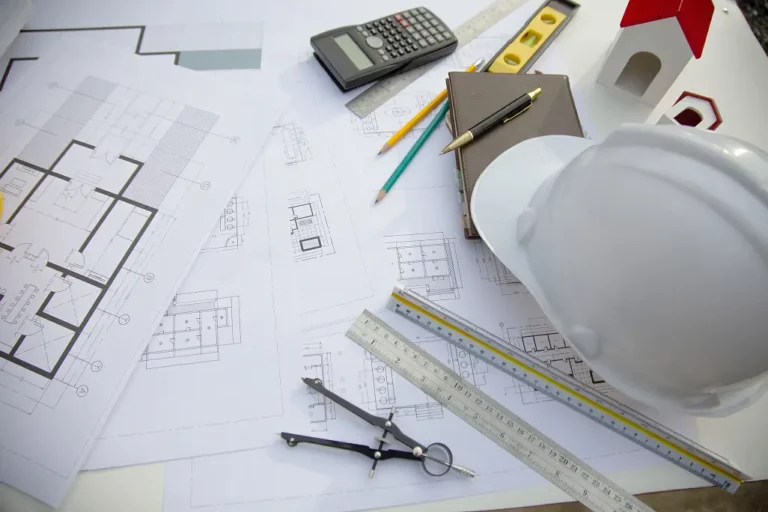
Fire and Life-Safety Continuity
We evaluate fire-rated assemblies and separation conditions for continuity, coordination, and documentation clarity, especially where systems and trades overlap.
Where Type I, III, and V Projects Commonly Experience Risk
We focus on the conditions frequently associated with water intrusion, constructability conflicts, and code compliance exposure:
- Fire-rated assemblies, firestopping, and continuity at edges and penetrations
- Podium transitions and mixed-system interfaces, including Type III over Type I conditions
- Roof-to-wall transitions, parapets, drainage, and termination details
- Windows and doors, including flashing, sill conditions, tolerances, and perimeter integration
- Cladding attachments, terminations, corners, control joints, and material transitions
- Balcony and canopy attachments, ledger conditions, and waterproofing tie-ins
- Below-grade waterproofing, slab edges, and site drainage interfaces
- Wet areas and system integration where multiple trades must coordinate


Common Failure Mechanisms We Evaluate
Issues often recur when similar detailing and coordination conditions are repeated across elevations and assemblies. We commonly evaluate problems tied to:
- Discontinuous air and water control layers at openings and transitions
- Poor drainage, slope, or termination conditions at roofs, decks, and podiums
- Trade scope gaps at interfaces, especially where details are unclear
- Penetrations and attachments that may interrupt continuity
- Movement, deflection, and tolerance conflicts between structural and enclosure systems
- Incomplete rated assembly continuity at edges, shafts, and intersections
- Sequencing conflicts that may compromise waterproofing, flashing, or firestopping
Support From Early Design Through Construction and Repairs
We support Type I, III, and V projects from early planning through design, construction, and, when needed, forensic evaluation and repair strategy development. We help teams clarify scope, coordinate assemblies, and make technical decisions aligned with field conditions and long-term performance objectives.
Common engagement points include:
- Early planning inputs that shape feasibility, scope, and risk
- Design-phase coordination and assembly strategy development
- Preconstruction reviews to support pricing clarity and constructability evaluation
- Construction-phase support for RFIs, submittals, substitutions, and high-risk installations
- Existing building evaluation and repair planning

Who We Support
We work with developers, general contractors, facility managers, insurers, and attorneys involved in Type I, III, and V projects. Our role adapts to the need, from early design risk evaluation to repair planning, claims support, and construction-phase issue evaluation.
Type I, III, and V Support, From RFIs to Repairs
Technical Design Review
Identify coordination gaps, rated assembly conflicts, and high-risk enclosure details such as podiums, slab edges, and openings.
Assembly Integration Evaluation
Evaluate continuity at key interfaces, including roof-to-wall, openings, slab edges, podium, and below-grade transitions, with attention to air and water barriers and firestopping.
Supplemental Detailing
Create buildable details for podium transitions, rated intersections, attachments, terminations, and penetrations to provide clearer direction for trade coordination.
Construction Administration Support
Construction-phase support for submittals, RFIs, substitutions, and field conditions, with focus on rated continuity and enclosure sequencing.
Building Envelope Evaluations
Investigate recurring leaks at common Type I, III, and V risk points such as slab edges, openings, balconies, parapets, podiums, and below-grade transitions.
Material Testing
Use targeted testing to clarify performance and repair decisions related to moisture, membranes, substrates, and material degradation.
Scope of Specification and Repair
Define repair scope that addresses identified root causes and aligns with enclosure and rated requirements, including constructability and sequencing.
Causation Identification
Determine what failed and why, focusing on interface breakdowns, movement and tolerance conflicts, drainage and termination issues, and air, water, or rated discontinuities.
Evaluate and Address Risk Before It’s Built In
If your project includes mixed construction types, podium conditions, complex enclosure transitions, or life-safety coordination challenges, DAI can help you support assembly coordination, clarify scope, and align with long-term performance objectives.
FAQs
How do Type I, Type III, and Type V construction types change risk?
Each type introduces different exposure related to fire resistance, moisture management, structural behavior, and detailing complexity. We help teams identify and coordinate those risks early in the process.
Do you support podium and mixed-construction projects?
Yes. We frequently support Type III over Type I conditions and other mixed interfaces where enclosure, structure, and life-safety requirements intersect.
Can you review fire-rated assemblies and separation conditions?
Yes. We evaluate continuity, detailing clarity, and coordination at intersections, penetrations, and edge conditions where issues commonly occur.
When should we engage DAI?
During design development or preconstruction is ideal, before details are finalized and trade scope is priced. We also support active construction and existing building repairs when issues emerge.
What documents do you need to start?
Whatever you have available, including drawings, details, specifications, RFI logs, photos, reports, and a summary of priorities and constraints. We can begin with available information and identify additional materials that may assist the evaluation.