
Building Envelope
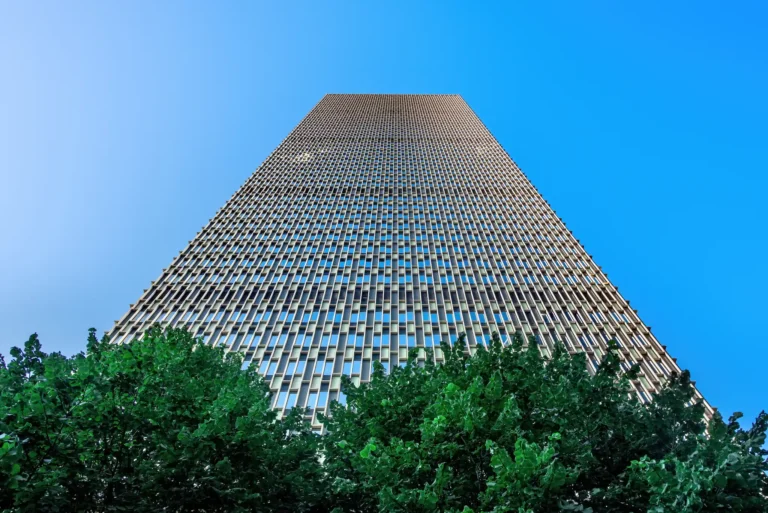
The building envelope is the system that controls water, air, heat, and movement across the building boundary. We evaluate enclosure performance holistically, then focus on the details most closely associated with risk exposure.
What we focus on
- Continuity of air and water control layers
- Drainage strategy and termination conditions
Thermal performance and condensation risk - Movement accommodation and material compatibility
- Through collaboration with trade partners: constructability, and access for installation
Common failure points
- Roof-to-wall and parapet transitions
- Window and door openings
- Decks, balconies, and terraces
- Podium and below-grade transitions
- Penetrations and attachments
How we help
- Assembly and interface evaluation, issue logs, and risk prioritization
- Supplemental details and scope clarifications
- Constructability guidance
- Construction-phase observation and documentation support

Fire-rated Assemblies
Fire-rated assemblies are critical to life-safety performance and often intersect with envelope and MEP conditions that create coordination risk. We help teams support rating continuity while maintaining coordination with adjacent performance layers or constructability.
What we focus on
- Rated wall and floor/ceiling continuity through transitions
- Penetrations, joints, and edge conditions
- Compatibility of firestopping with adjacent materials
Common failure points
- MEP penetrations and late field changes
- Head-of-wall and slab-edge conditions
- Shaft walls and rated corridors
- Conflicts between fire, acoustic, and envelope requirements
How we help
- Review of rated assemblies and interface conditions
- Coordination notes and detail clarifications
- Field issue resolution support and documentation

Occupancy Separation
Occupancy separation affects scope, detailing, and coordination, especially where mixed-use, podiums, or phased areas meet. We help teams clarify requirements and reduce the likelihood of costly rework tied to ambiguous separation conditions.
What we focus on
- Separation continuity across structure and MEP transitions
- Assemblies that combine rating, acoustic, and enclosure needs
Common failure points
- Mixed-use transitions and podium levels
- Garage-to-residential boundaries
- Tenant separation conditions and shafts
How we help
- Review and clarification of separation assemblies and transitions
- Coordination guidance for penetrations, joints, and interfaces
- Documentation that supports approvals and defensible decisions

Horizontal and vertical waterproofing systems
Waterproofing performance depends on continuity, termination discipline, drainage strategy, and sequencing. We support both horizontal and vertical systems, and the transitions between them.
What we focus on
- Positive drainage, slope, and overflow pathways
- Terminations, laps, and shingling logic
- Transition detailing (horizontal-to-vertical)
- Compatibility of membranes, primers, sealants, and substrates
Common failure points
- Planters, decks, and balcony edges
- Below-grade terminations and penetrations
- Plaza decks and podium waterproofing transitions
- Stair, elevator, and equipment pad interfaces
How we help
- System selection and interface review (as applicable to scope)
- Supplemental waterproofing details and integration notes
- Construction-phase support of quality control programs at critical milestones
Cladding
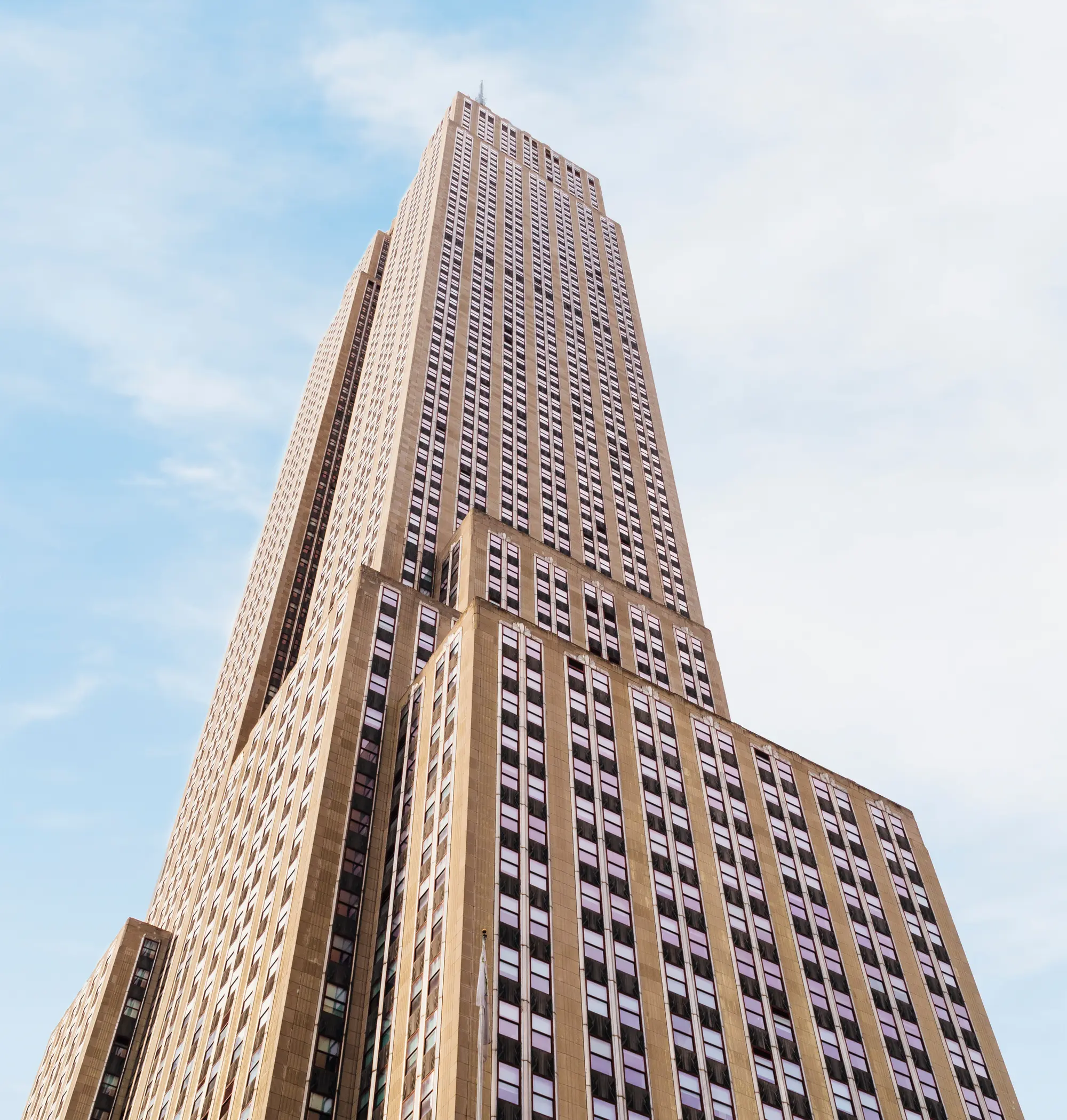
Cladding systems function most effectively when drainage, attachment, movement, and terminations are coordinated. We focus on the interfaces that are frequently associated with water intrusion and long-term durability concerns.
What we focus on
- Rainscreen strategy, drainage, and ventilation
- Attachment and support conditions
- Flashing continuity at transitions and openings
- Movement joints and sealant joint design
Common failure points
- Base-of-wall and termination conditions
- Material transitions and control joints
- Corners, returns, and offsets
- Balcony edges and façade attachments
How we help
- Cladding interface evaluation and constructability review
- Detail clarification packages for high-risk areas
Roofing
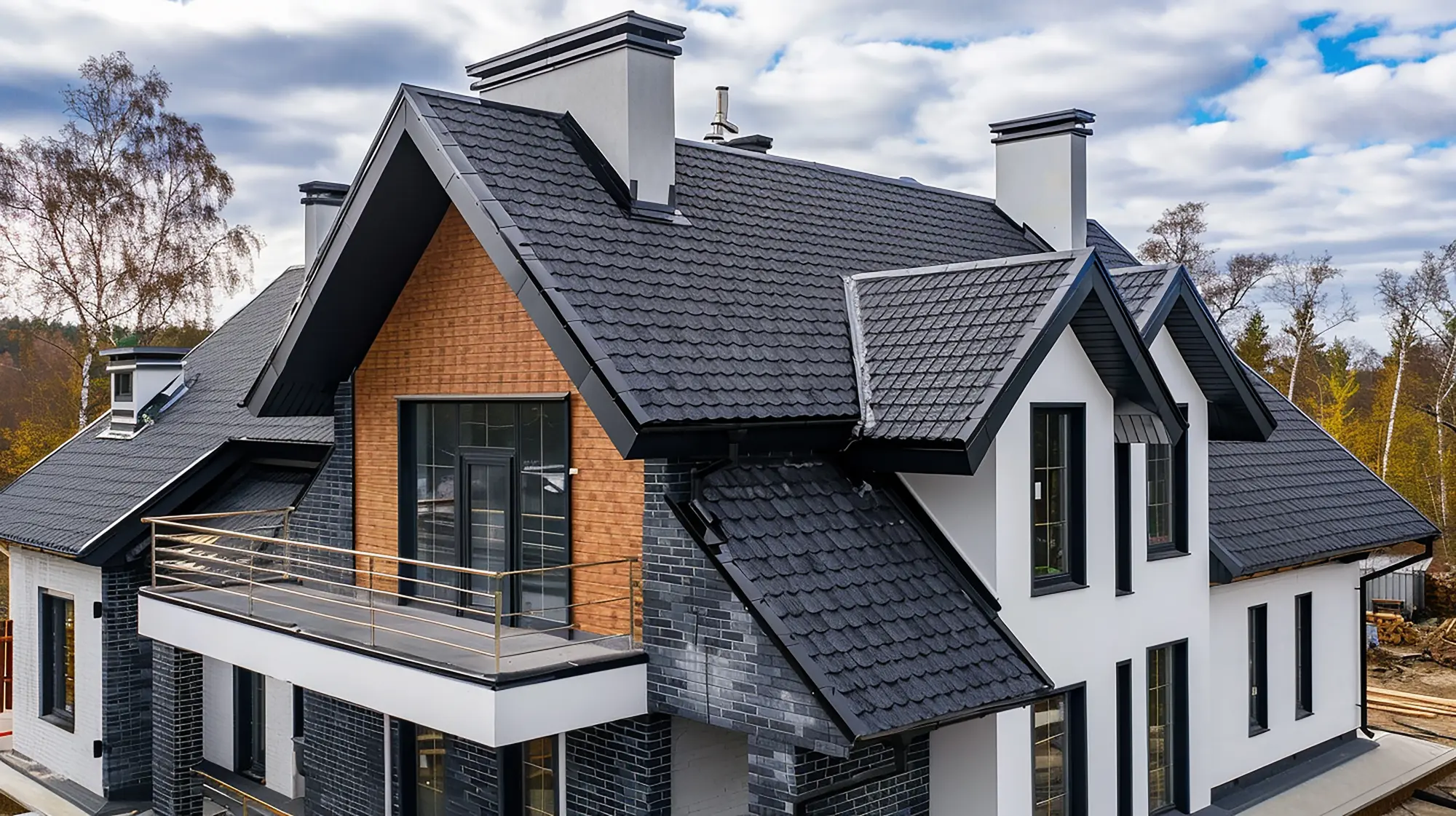
Roofing systems are frequently compromised at edges, penetrations, and transitions. We help teams maintain continuity, drainage, and durable terminations.
What we focus on
- Roof-to-wall transitions, parapets, and coping
- Drainage, crickets, overflow, and scuppers
- Penetrations and equipment curbs
- Membrane continuity and termination robustness
Common failure points
- Edge metal and termination bars
- Roof penetrations added late in the field
- Poorly coordinated overflow paths
- Transitions to terraces or cladding
How we help
- High-risk roofing detail review and clarifications
- Construction-phase milestone verification support
Fenestration (doors and windows)
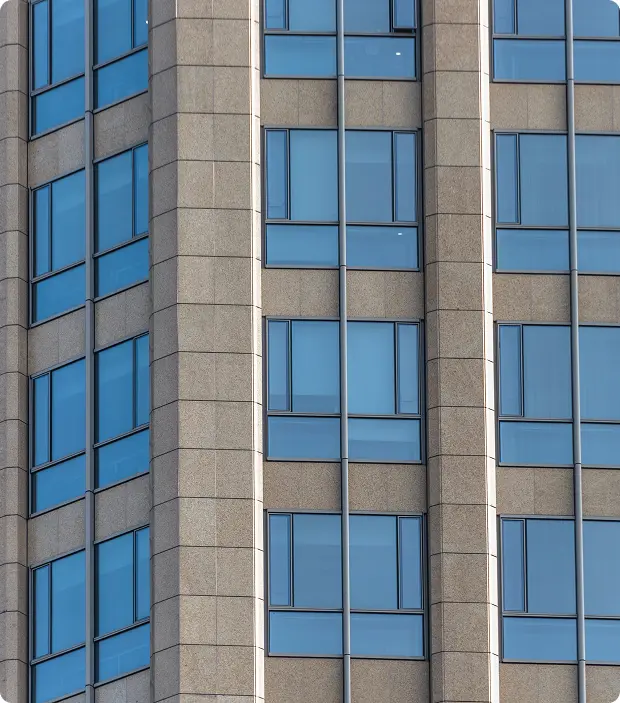
Doors and windows are among the highest-risk enclosure components because they combine structure, water management, air control, and tolerances. We focus on installation reality and continuity.
What we focus on
- Sill conditions and water management
- Flashing integration with WRB and air barrier
- Tolerances and substrate readiness
- Attachment strategy and movement accommodation
- Sealant joint design and durability expectations
Common failure points
- Improper sill flashing or back dams
- Discontinuous WRB at openings
- Rough opening preparation and sequencing
- Conflicts between window systems and cladding
How we help
- Opening details and interface review
- Clarifications intended to reduce RFIs and scope gaps
- Field issue resolution support when conditions change
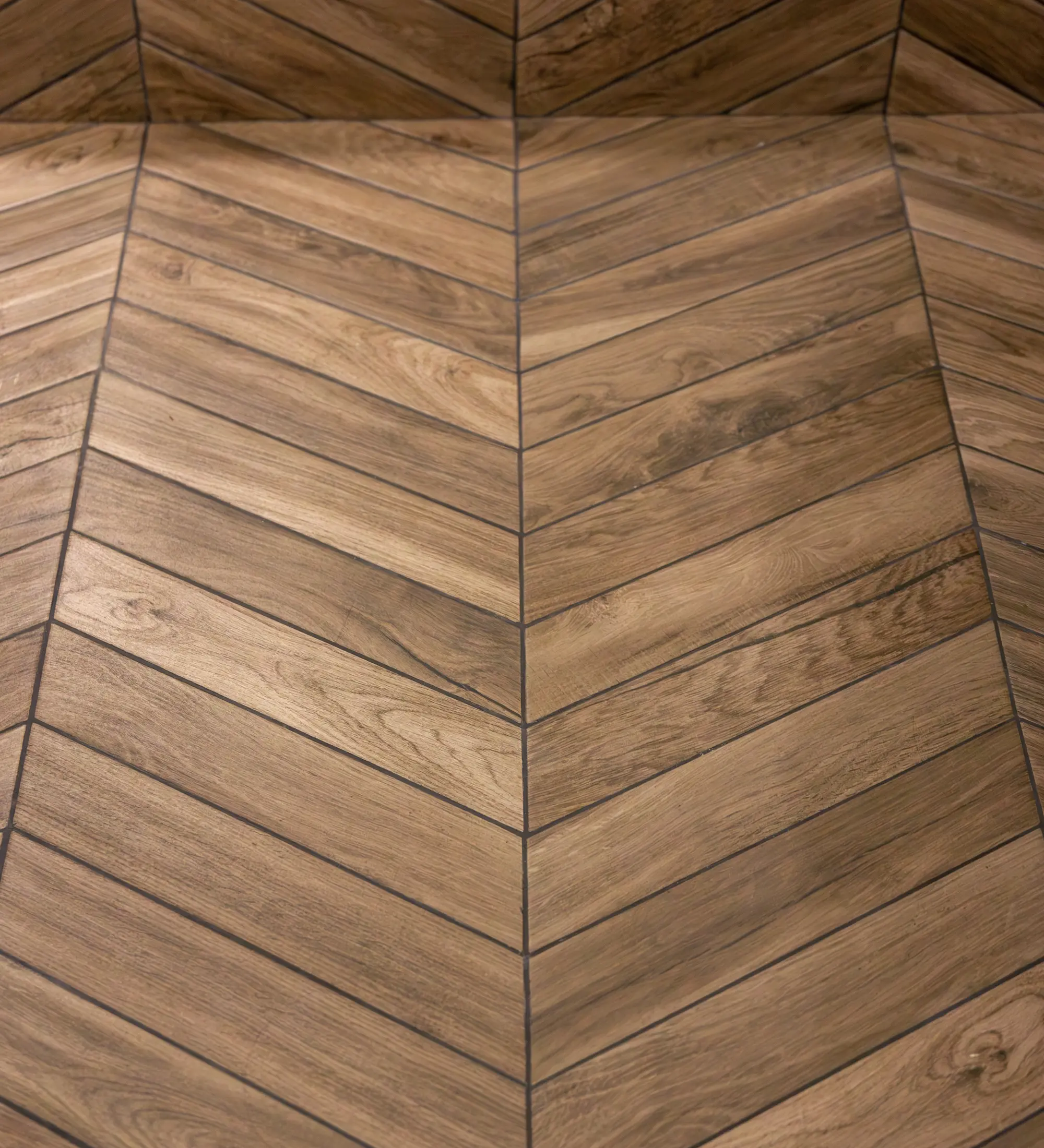
Interior finishes (flooring)
Flooring performance depends on substrate conditions, moisture, transitions, and product compatibility. We help teams identify and address conditions associated with failures that can lead to costly replacements and schedule impacts.
What we focus on
- Moisture conditions and mitigation strategy alignment
- Substrate prep requirements and sequencing
- Transition detailing and movement conditions
- Compatibility between adhesives, underlayments, and substrates
Common failure points
- Moisture-related delamination or curling
- Uneven substrates and tolerance issues
- Poor transitions at thresholds and wet areas
- Product substitutions without compatibility review
How we help
- Risk-based review of finish assemblies and transitions
- Clarifications tied to constructability and sequencing
- Support for resolving field conditions with defensible documentation
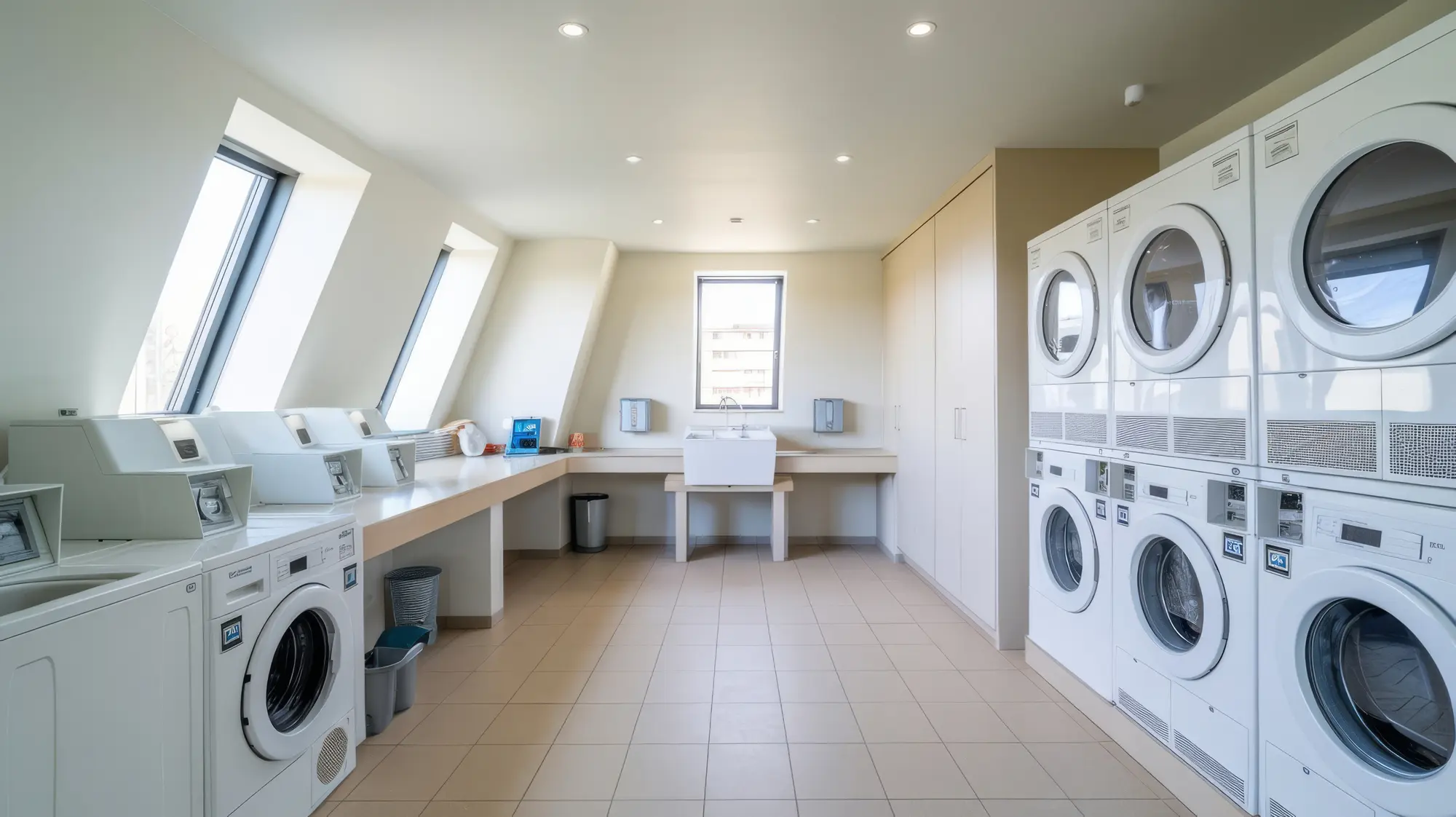
Systems Integration
Systems integration is where enclosure, MEP, finishes, structure, and operations intersect. Laundry rooms are a common example because water, drains, ventilation, power, fire separation, and finishes must coordinate to reduce the likelihood of system conflict or performance issues.
What we focus on
- Moisture control and drainage strategy
- Venting, penetrations, and fire-rated impacts
- Waterproofing and finish compatibility
- Service access, maintenance realities, and sequencing
Common failure points
- Uncoordinated penetrations through rated assemblies
- Missing containment at wet areas
- Conflicting scopes between plumbing, waterproofing, and finishes
- Poor sequencing that damages membranes or blocks access
How we help
- Interface evaluation
- Supplemental details for high-risk rooms and transitions
- Construction-phase support to resolve conflicts in a timely and coordinated matter